What if the £2,500 you’ve earmarked for a rare English Walnut slab ends up as a clouded, bubbling lesson in chemistry rather than a breathtaking focal point for your home? The dream of crafting your own river table is often born from a deep reverence for natural materials, yet the reality of a professional vs diy resin table reveals a significant gap in durability and aesthetic soul. You likely recognise that a dining table isn’t just furniture; it’s a legacy piece meant to host a lifetime of stories and shared moments.

I will show you the critical technical differences that separate a weekend project from a master-crafted commission, ensuring your investment remains a vibrant piece of functional art. We’ll explore the hidden risks of resin yellowing, the necessity of industrial-grade workshop environments in the UK, and how partnering with an Essex artisan transforms a raw piece of timber into a timeless narrative for your living space. By understanding the journey from kiln-dried slab to finished masterpiece, you can ensure your home features a bespoke centrepiece that reflects true British craftsmanship.

Key Takeaways

  • Learn why professional kiln-drying and industrial-grade UV-stable resins are vital for preventing timber movement and ensuring your centrepiece remains crystal clear for decades.
  • Uncover the “hidden DIY tax” by calculating the true cost of specialist PPE, industrial sanders, and premium polishing compounds versus a fixed-price bespoke commission.
  • Understand the aesthetic gap in a professional vs diy resin table, where master techniques like bookmatching and charcoal resin infusions create a seamless flow of natural grain.
  • Discover the collaborative design journey available in our Braintree workshop, allowing you to hand-select live-edge slabs that resonate with your home’s unique character.
  • Shift your perspective from viewing a river table as mere furniture to an appreciating piece of functional art, handcrafted with the soul of sustainable British timber.

The Lure of the DIY Resin Table vs. Professional Reality

The digital allure of a sixty-second time-lapse video often masks the gritty reality of artisanal production. For many homeowners in Chelmsford or the leafy suburbs of London, the “Pinterest Effect” creates a deceptive sense of simplicity. You see a shimmering river of blue set against rustic timber, yet the screen fails to convey the scent of industrial abrasives, the vibration of heavy machinery, or the silent tension of a failed pour. Choosing between a professional vs diy resin table is not merely a question of budget; it is a choice between embarking on a volatile experiment or commissioning a piece of functional art that carries a narrative of excellence.

Our Braintree workshop operates on the principle that a table is a legacy. While a DIY project might serve as a weekend distraction, a bespoke commission is an investment in British craftsmanship. In 2024, interior design trends across Essex shifted significantly toward “material realism.” This philosophy ensures the natural imperfections of kiln-dried English Oak or Walnut are elevated rather than hidden. This level of finish requires more than just a steady hand. It demands a deep reverence for the timber’s soul. Professional makers understand that we aren’t just pouring plastic; we are preserving a piece of history for your home.

The emotional journey of owning a bespoke piece differs vastly from the hobbyist experience. A DIY project often ends in a compromise, where small bubbles or uneven surfaces are “accepted” as character. Conversely, a professional commission offers the security of a guaranteed masterpiece. You become a co-creator in a journey that begins with selecting a unique slab and ends with a centerpiece that defines the room. This process provides a sense of quiet confidence, knowing the focal point of your dining room was crafted by masters of the medium.

Identifying Your Goals: Hobbyist Project or Heirloom Piece?

A high-quality river table requires upwards of 120 hours of focused labour. Most hobbyists underestimate the risk profile involved in the professional vs diy resin table divide. When a £500 live-edge timber slab meets a £300 resin error due to improper mixing or exothermic heat, the financial sting is immediate. We focus on material realism, using slow-set resins that degas naturally over 72 hours. This ensures the resin complements the wood’s history rather than overwhelming it with the synthetic, neon gimmicks often seen in amateur attempts.

The British Workshop Environment

The UK climate is a natural enemy to resin clarity. With average outdoor humidity in Essex often exceeding 75%, home garages are notoriously unsuitable for the precision required for Smoked Black or Charcoal Resin pours. Our Braintree facility maintains a strictly controlled environment, keeping temperatures between 18 and 22 degrees Celsius around the clock. This prevents the clouding and “blushing” that ruins many domestic projects. We also monitor timber moisture levels with digital precision, ensuring every slab is below 10% moisture to prevent future delamination. This technical rigour is the only way to achieve the liquid-glass finish expected in high-end London interiors.

  • Precision: Temperature-controlled pouring rooms eliminate structural bubbles.
  • Investment: Professional pieces retain value as functional art rather than disposable furniture.
  • Security: Expert kiln-drying prevents the timber from warping or cracking in centrally heated homes.

The Technical Divide: Why Professional Craftsmanship Endures

The allure of a weekend project often masks the brutal reality of material science. While social media tutorials make the process look seamless, the professional vs diy resin table debate is settled in the laboratory, not just the workshop. A bespoke piece from a master craftsman represents a marriage of chemistry and joinery that a domestic setting simply cannot replicate. Most DIY enthusiasts face a 40% failure rate on their first large-scale pour, often due to environmental factors or improper timber preparation that doesn’t manifest until the piece is inside a heated home.

The ‘river’ banks of a table require more than just a passing glance. Professionals spend hours meticulously debarking and cleaning the live edge with wire brushes and specialized sanding tools to reach the ‘white wood.’ If a single fragment of loose bark or a microscopic layer of dust remains, the resin will bond to the debris rather than the timber. This creates a structural weakness where the resin can peel away. We seal these edges with a high-viscosity primer to prevent ‘outgassing,’ a phenomenon where air trapped in the wood grain escapes into the curing resin, creating a constellation of unsightly bubbles that ruin the clarity of the finished piece.

Kiln-Drying: The Invisible Foundation of Quality

The journey of every English Oak or Natural Elm slab begins long before the resin is poured. We ensure our timber is dried to a specific 8-10% moisture content using industrial kilns. Air-dried wood, which typically lingers around 15-18% moisture in the UK climate, is fundamentally unsuitable for resin work. As the wood dries further in your home, it shrinks. Because resin does not shrink at the same rate, the internal tension causes the wood to split or the bond to fail entirely within the first 12 months. Kiln-drying is the essential step for resin-to-timber adhesion, ensuring the organic material is permanently dormant and stable.

Resin Clarity and UV Stability

Not all epoxies are created equal. High-street ‘craft store’ resins often lack Hindered Amine Light Stabilisers (HALS), which are expensive chemical additives that prevent the polymer chains from breaking down under sunlight. Without these, a DIY table will begin to develop a sickly yellow tint within 24 months. Professional workshops use industrial-grade, UV-stable systems designed for deep-pour applications. This allows us to achieve a ‘Deep Ocean Blue’ or crystal-clear aesthetic at depths of 50mm in a single pour, avoiding the visible ‘tide lines’ that occur when DIYers are forced to pour in thin, multiple layers.

Structural integrity is further guaranteed through the use of steel C-channels rebated into the underside of the timber. These hidden reinforcements allow the wood to expand and contract naturally across its width while preventing the slab from bowing or cupping over time. This level of engineering ensures your investment remains a flat, functional masterpiece for decades. If you are looking for a piece that combines this technical rigour with artistic vision, you can explore our bespoke commissions to see how we bridge the gap between nature and design. Each table we produce is a testament to the fact that while anyone can buy resin, very few can master the physics required to make it last a lifetime.

Calculating the Real Cost: DIY Kits vs. Bespoke Essex Commissions

The financial allure of a self-build project often fades once the hidden tax of professional equipment becomes apparent. While a starter resin kit might cost £250, the ancillary requirements for a museum-grade finish are extensive. To achieve the clarity seen in our Essex workshop, you need industrial-grade PPE, high-build moulds, and a climate-controlled environment. Most retail wood shops offer standard planks that lack the structural integrity of the 50mm thick, kiln-dried slabs we curate. When comparing a professional vs diy resin table, the artisan’s access to rare, sustainably sourced English Walnut or Oak provides a foundation that retail timber simply cannot match.

Time is the most significant investment. A single dining table requires upwards of 80 hours of labour. This includes the delicate moisture testing of the timber, the multi-stage pouring process to prevent exothermic reactions, and a 12-stage sanding regime. For a London professional, spending three weeks of evenings and weekends in a garage rarely equates to the value of a guaranteed, flawless commission. The cost of a single mistake, such as a leaking mould or a flash-cure, can result in a total loss of materials worth over £800.

  • Industrial PPE: Full-face respirators and organic vapour filters cost approximately £120.
  • Timber Quality: Professional yards provide slabs dried to a precise 8% moisture content, preventing future warping.
  • Consumables: High-grit polishing compounds and ceramic coatings add an extra £150 to the project overheads.

Equipment Investment vs. One-Off Commission

A home garage in Colchester lacks the atmospheric stability required for a 72-hour deep pour. Fluctuations in temperature lead to blushing or bubbles that ruin a resin investment instantly. A Festool or Mirka planetary sander costs upwards of £580, and without a £450 dust extraction system, your workspace becomes a genuine health hazard. By the time you’ve spent £2,200 on tools and materials, the risk of a failed pour remains high. A bespoke commission offers a guaranteed masterpiece without the capital outlay for machinery you’ll likely only use once.

Value Appreciation of Handcrafted British Furniture

A River Table UK piece is a legacy asset. We use premium finishes like Rubio Monocoat or Odie’s Oil, which bond at a molecular level to protect the timber for decades. In the 2026 London design market, provenance is everything. A Made in Britain signature increases resale value by 40% compared to anonymous imports or amateur builds. Essex homeowners recognise that a handcrafted boardroom or dining table is an investment that appreciates. It reflects the soul of the British woodland in a way that mass-produced or DIY items never will. When you choose a professional vs diy resin table, you aren’t just buying furniture; you’re securing a piece of functional art with a documented heritage.

The difference lies in the details. Professional artisans use vacuum chambers to degas resin and laser-levelling to ensure a perfectly flat surface. These technical steps ensure that the final product doesn’t just look good on the day of delivery but remains stable as the seasons change in the UK. Investing in a professional commission ensures that your home features a centerpiece that is as durable as it is beautiful.

Achieving the Aesthetic: Material Realism and Precision Finishes

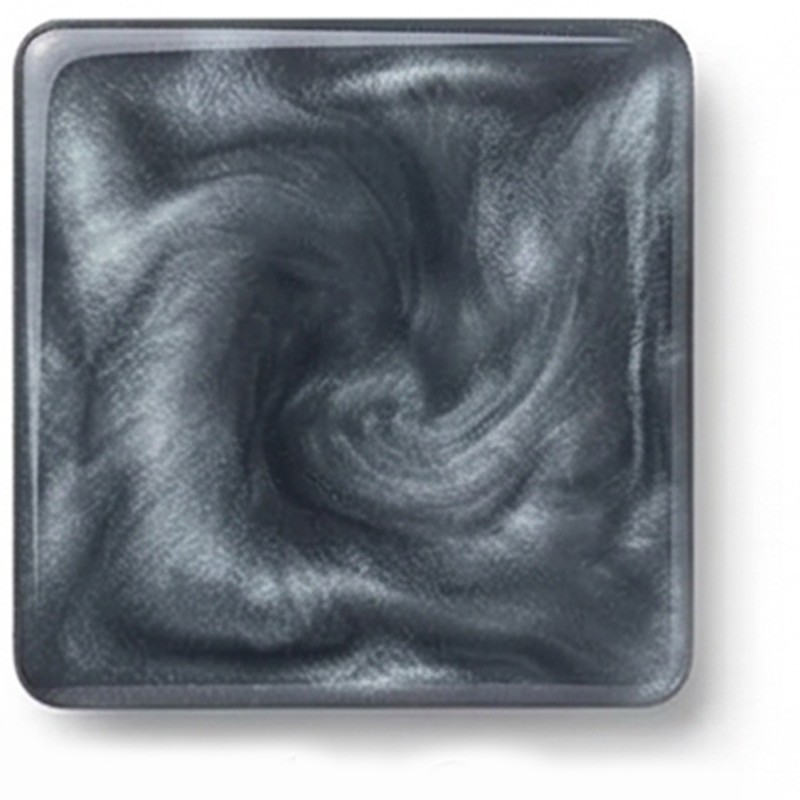
True artistry in furniture design lies in the delicate dialogue between organic chaos and controlled precision. When comparing a professional vs diy resin table, the most immediate differentiator is material realism. A master craftsman doesn’t just fill a gap with plastic; they curate a palette that honours the timber’s heritage. We often pair Smoked Black or Charcoal resins with English Walnut to pull the deep, chocolatey tones from the heartwood. This subtle alchemy ensures the resin acts as a shadow, a void that highlights the 150-year-old grain rather than competing with it for attention.

Symmetry and flow are the hallmarks of a bespoke centrepiece. We achieve this through “bookmatching,” a technique where a single kiln-dried log is sliced into two mirror-image slabs. When these slabs are positioned with the live edges facing inward, the grain flows outward like the wings of a moth. This creates a natural riverbed that looks inevitable. DIY projects frequently miss this step, resulting in mismatched grains that feel disjointed and jarring to the eye. The professional approach ensures every curve of the river follows the internal logic of the wood’s growth rings.

The tactile experience of a professional piece is transformative. It feels like silk under the fingertips, retaining the warmth of the wood while offering the cool, glass-like stability of high-grade polymers. Many home-made attempts fall into “tacky” traps, such as over-saturating the resin with cheap pigments. This creates a flat, opaque look that lacks soul. Furthermore, poor edge profiling is a common DIY pitfall. While a novice might leave edges sharp or inconsistently sanded, we use precision routing to create sophisticated chamfers or “shark-nose” profiles that make the table a joy to touch.

The Art of the Pour: Colour Depth and Tone

Creating our signature “Deep Ocean Blue” involves a meticulous three-stage layering process. We pour the resin in 15mm increments, suspending metallic pigments at varying depths to mimic the natural light refraction found in deep water. This creates a 3D effect that changes as you walk around the room. The interaction between the golden, honeyed tones of Warm Oak and a crisp Charcoal Resin boundary provides a contemporary edge that suits modern British interiors. The rugged, untamed texture of natural timber knots finds its perfect foil in the clinical, liquid clarity of a precision resin pour.

The Final Polish: Beyond the Sandpaper

The finishing stage is where the technical gap between amateur and expert becomes a chasm. We move through 12 distinct stages of abrasion, starting at 80 grit and progressing meticulously to 3,000 grit and beyond. Most DIY enthusiasts stop at 400 grit, which leaves microscopic scratches. In the sharp, directional light of a South Kensington apartment, these “swirl marks” become painfully visible, ruining the illusion of depth. We seal our commissions with dual-component ceramic coatings or premium hard-wax oils to achieve 9H scratch resistance, ensuring the surface remains flawless for decades.

Experience the difference that master-grade finishing makes by exploring our bespoke resin table collections today.

Commissioning Your Vision: The River Table Journey in Braintree

The path to owning a bespoke masterpiece begins not with a simple transaction, but with a shared creative vision. When you evaluate the choice between a professional vs diy resin table, the most significant advantage of the former is the collaborative journey we undertake together. You aren’t just buying furniture; you’re participating in the transformation of a raw, ancient material into a functional work of art. In our Braintree workshop, we invite you to be part of the selection process, where we match the fluid aesthetics of high-clarity resin to the specific architectural requirements of your home.

Our process is meticulous and unhurried. We start by understanding the light levels and colour schemes of your space, ensuring the resin pigments we mix create the exact depth and translucency you desire. Whether you’re looking for a deep midnight blue to contrast with pale floorboards or a crystal-clear “glacier” effect to showcase the submerged live-edge, our artisans provide the technical precision that DIY projects often lack. This stage eliminates the guesswork, replacing the trial-and-error of home kits with the certainty of professional craftsmanship.

Sustainability sits at the heart of every commission we accept. We source 100% of our English hardwoods from managed British woodlands, ensuring that every piece of Oak, Walnut, or Elm has a traceable heritage. By choosing timber that has been air-dried for up to two years and then finished in a vacuum kiln to a precise 8% moisture content, we guarantee a level of structural integrity that prevents the warping or cracking common in amateur builds. This commitment to local, sustainable sourcing supports British forestry while providing you with a table that carries a genuine narrative of the English landscape.

Serving the South East is a core part of our identity. We provide a seamless, white-glove delivery service to clients in Chelmsford, Colchester, and Central London, ensuring your centrepiece arrives in pristine condition. Because we operate within a 50-mile radius of our Essex base, we offer a level of personal aftercare and support that mass-market or distant suppliers cannot match. From the first sketch to the final polish, your commission is handled with the reverence it deserves.

Sourcing Your Slab: English Oak, Walnut, and Elm

The character of your table is defined by the soul of the timber. English Oak offers a rugged, historic strength with its famous medullary rays, while Walnut provides a sophisticated, dark temperance. Elm is prized for its wild, interlocking grain and “partridge breast” figuring. We help you navigate these textures, selecting the specific slab that resonates with your personal style. You can explore the nuances of these materials in our guide on Choosing Wood For Your River Table to see which species fits your vision.

Your Local Essex Craftsman

Visiting our Braintree workshop offers a sensory experience that digital galleries cannot replicate. You’ll see the precision of our sanding, the clarity of our pours, and the dedication of a team that views every knot and burr as a story to be told. This local proximity provides peace of mind, knowing your investment is being handled by experts just a short drive away. We invite you to take the first step in this artistic partnership. Enquire about your bespoke commission today and let’s begin crafting your legacy piece.

Secure Your Legacy in British Hardwood

Choosing between a professional vs diy resin table often comes down to the longevity of your investment. While a £400 hobbyist kit offers a starting point, it lacks the specialist UV-stable resin systems required to prevent yellowing within the first 18 months. Our Braintree workshop bridges this gap by marrying technical precision with the raw beauty of sustainably sourced British hardwoods. We manage every variable, from kiln-drying timber to a specific 12% moisture content to the meticulous 1,500-grit polishing stage. This ensures your centrepiece isn’t just a temporary fixture but a durable heirloom handcrafted in Essex. You’ll avoid the common £600 pitfalls of failed pours and structural warping that often plague home projects. Instead, you’re invited to collaborate on a design that captures the unique narrative of the wood. It’s time to move beyond the experimental and embrace a finished masterpiece that defines your space.

Commission your bespoke River Table from our Braintree workshop and bring a piece of authentic British artistry into your home today.

Frequently Asked Questions

Is it cheaper to make your own resin table in the UK?

Creating your own piece often costs more than a professional commission once you account for the £1,200 initial investment in specialist tools and the 15% wastage rate common for beginners. High-quality deep pour resin currently retails at approximately £35 per litre in the UK. When you factor in the price of kiln-dried English Oak, which can exceed £150 per cubic foot, a single mistake becomes a costly endeavour that outweighs the price of a professional vs diy resin table.

How long does a professional resin table last compared to a DIY one?

A professionally crafted table is designed to last for generations, whereas DIY versions often show structural fatigue within 24 to 60 months. Our bespoke creations carry a 25 year structural guarantee, reflecting the stability of timber dried to a precise 8% moisture content. Amateur builds frequently bypass these technical standards; this leads to joint failures or surface degradation long before the first decade is out.

Do DIY resin tables turn yellow over time?

Most DIY resin tables will develop a noticeable amber or yellow tint within 12 to 18 months due to inferior UV stabilisers found in retail-grade kits. We utilise industrial-grade resins with a 95% UV stability rating, ensuring the crystal-clear aesthetic remains pristine for decades. This optical clarity is achieved through advanced HALS technology, a feature rarely found in the budget resins typically purchased for home projects.

What is the best wood for a resin table available in Essex?

Kiln-dried English Walnut remains the gold standard for Essex commissions, prized for its deep chocolate tones and structural integrity. For a lighter aesthetic, locally sourced European Oak provides a robust canvas. We ensure every slab is seasoned for 2 years and kiln-dried to a moisture content between 8% and 10%. This precision prevents the wood from moving, a critical factor when debating the merits of a professional vs diy resin table.

Why do DIY resin tables often crack or warp?

Cracking and warping usually occur because the timber’s moisture content exceeds 12% or the resin overheated during the curing process. Professional pours are monitored to manage exothermic reactions that can reach 60 degrees Celsius, which would otherwise stress the wood fibres. Without climate-controlled workshops, DIY projects are susceptible to the UK’s 70% average humidity; this causes the organic materials to pull away from the resin bond.

Can I fix a failed DIY resin pour myself?

Fixing a failed pour is technically possible but usually requires a full industrial sand-back that can take 40 hours of labour. Most home setups lack the wide-belt sanders needed to level a surface to a 0.5mm tolerance. If the resin hasn’t cured properly due to a mixing error, the entire piece must be stripped; this often damages the wood beyond the point of aesthetic recovery.

How do I find a professional river table maker near London?

Seek out artisans with dedicated workshops in the Home Counties, such as our Essex studio located just a 45 minute journey from Central London. A reputable maker will invite you to view their timber stocks and discuss the 12 stage finishing process in person. Always verify that the craftsman uses sustainable, FSC-certified British timber to ensure your investment supports local woodland management.

What is the lead time for a bespoke resin table commission?

A bespoke commission typically requires a lead time of 8 to 12 weeks to ensure every stage of the journey is perfect. This duration allows for a controlled 14 day curing cycle and a multi-stage polishing sequence that achieves a mirror-like finish. Rushing this process compromises the soul of the piece; we believe the wait is a small price for a handcrafted legacy that will anchor your home for a lifetime.

Leave a Reply