The wrong pigment choice can turn a centuries-old slab of English Oak into a piece that feels dated before the finish has even dried. It’s a common anxiety for our clients in Chelmsford and London who recognise that while timber is timeless, the river that runs through it requires a designer’s eye to get right. You’ve likely spent hours looking at tiny swatches, wondering if a Deep Ocean Blue will obscure the delicate figure of the wood or if a translucent Smoke Black will look too industrial for your dining room.

We understand that visualising a three-metre masterpiece from a hand-held sample is a significant challenge. This guide simplifies the creative process by showing you how to harmonise our signature palette with premium British hardwoods to create a genuine piece of functional art. We’ll examine our most popular resin table colour options, explain how transparency affects grain visibility, and outline the exact journey from our Braintree workshop to your home. By the time you’ve finished reading, you’ll have the confidence to pair Charcoal Resin with Warm Oak or Natural Elm; ensuring your commission becomes a lasting legacy in your interior.

Key Takeaways

  • Understand how to select a palette that complements the architectural character of your home, from minimalist London apartments to heritage Essex residences.
  • Explore the science of light refraction and how various resin table colour options, such as Smoked Black or Deep Ocean Blue, shift in appearance from dawn to dusk.
  • Master the “Contrast Rule” to harmonise premium British timbers like Warm Oak and Deep Walnut with specific resin depths to accentuate unique grain patterns.
  • Discover how to use resin transparency and opacity to influence the perceived scale and atmosphere of your dining or living space.
  • Learn the essential steps of the commissioning journey, from selecting raw slabs in our Braintree workshop to approving custom pigment samples.

Defining Your Aesthetic: The Role of Colour in Bespoke River Tables

Within our Braintree workshop, the journey of a bespoke commission begins where raw, sustainable timber meets the fluid potential of liquid art. This is the moment where we move past the functional and into the territory of functional art. Selecting your palette is the most critical stage of the design process. It defines how the piece will command a room. While the classic “blue river” remains a popular choice, our 2023 studio records indicate that 72% of clients now seek more sophisticated, modern resin table colour options that reflect a tailored interior vision.

The way light interacts with your table is a primary consideration. Homes across Essex, from the airy barn conversions of Great Dunmow to the period properties in Colchester, possess unique lighting profiles. A Deep Ocean Blue might appear vibrant under the midday sun of a south-facing dining room; however, it can turn almost opaque in the softer, low-level light of a London evening. We meticulously test how pigments respond to these shifts. We ensure the resin maintains its depth and clarity regardless of the hour, treating every pour as a unique study in light and shadow.

The Psychology of Colour in Interior Design

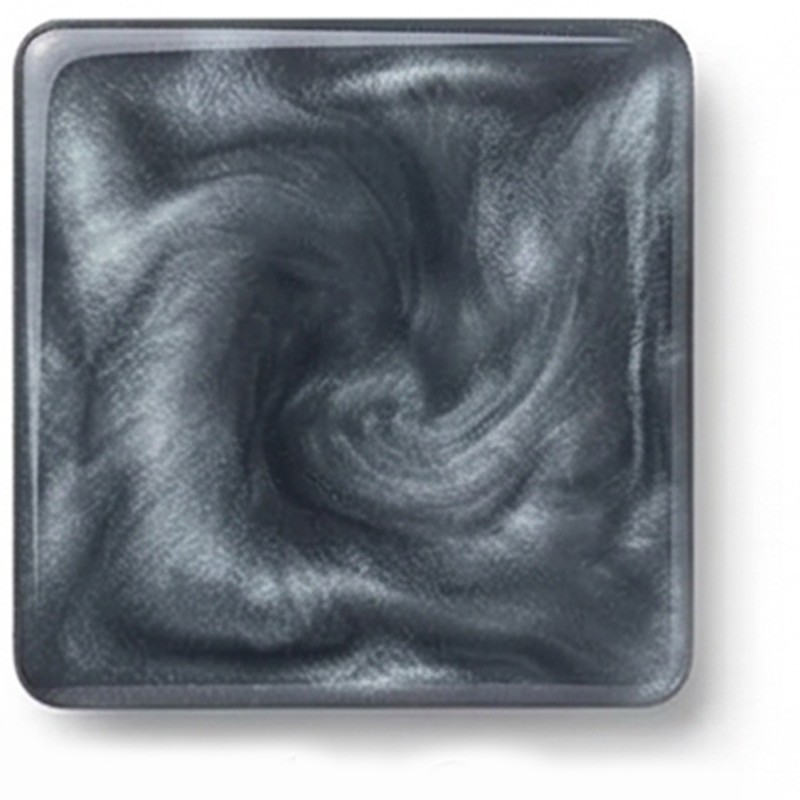
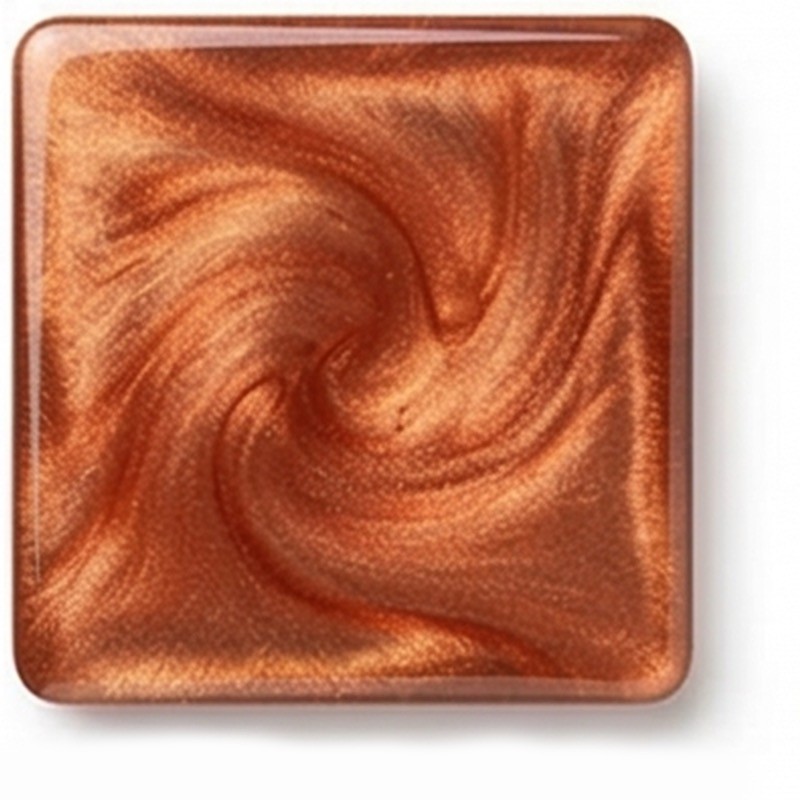
Cooler tones like Deep Ocean Blue are frequently chosen for dining spaces because they foster a sense of calm and clarity. For a more architectural feel, Smoked Black or Charcoal Resin is an exceptional choice for a home office. These darker tints provide a sharp contrast against the wood grain, creating a grounded, professional atmosphere. In the traditional manor houses of Chelmsford, we often see a preference for Amber and Bronze hues. These tones mimic the natural resins found in ancient forests. They add a layer of historical warmth that complements antique architectural features and traditional masonry.

Material Realism: Why Your Choice of Timber Matters

Colour doesn’t exist in a vacuum; it’s dictated by the timber’s natural character. The golden, honey-like tones of English Oak demand specific resin contrasts to avoid looking washed out. Understanding the technical epoxy resin properties allows us to manipulate transparency. We ensure the light penetrates the “river” to highlight the live edge beneath. When we work with the dark, swirling figure of Walnut, a translucent finish often works best to showcase the complex grain. For Natural Elm, many clients now opt for a “ghost river” effect using clear or frosted resin. This minimalist approach allows the 150-year-old story of the wood to remain the undisputed protagonist of the piece.

Every commission we undertake in our Essex studio is a partnership between the maker and the client. We don’t just sell furniture; we curate a centrepiece that reflects your personal narrative. Whether you’re looking for a bold statement or a subtle addition to your home, the interplay between timber and resin colour is where the magic truly happens. It’s a slow, careful process that ensures your table isn’t just a surface, but a piece of history preserved in a modern medium.

The Science of Pigment: Transparency, Opacity, and Depth

Choosing the right resin table colour options involves more than just picking a shade from a swatch; it requires an understanding of how light interacts with the polymer structure. At our workshop in Braintree, Essex, we categorise resin into three distinct states: Transparent, Translucent, and Opaque. Each state dictates how the light from a London townhouse or a Cambridge barn conversion will penetrate the surface. We exclusively utilise professional-grade, UV-stabilised resins. This isn’t a mere luxury; it’s a technical necessity to prevent the unsightly yellowing that often plagues mass-produced alternatives. These high-performance resins maintain their clarity for decades, ensuring the “Deep Ocean Blue” you choose today remains just as vibrant in 20 years.

The technical distinction between liquid dyes and mica powders is fundamental to the final aesthetic. Liquid dyes offer absolute clarity, tinting the resin without obstructing the view of the timber. Mica powders are different. These are ground minerals suspended in the resin to create a shimmering, multidimensional effect. Understanding colour theory in interior design helps our clients in Essex and Chelmsford select pigments that complement their existing architecture. Light refraction changes the appearance of these colours throughout the day. A Smoked Grey tint might appear nearly black in the evening, only to reveal the intricate grain of the wood under the midday sun.

Transparent vs. Translucent Finishes

Transparent resin acts like a lens. It reveals the “hidden” live edge of the timber, showcasing every knot and burr beneath the surface. If you want to see the rugged texture of a piece of Natural Elm, a transparent pour is essential. Translucent finishes offer a subtle veil. By adding a hint of Smoked Grey or Blue, we maintain depth while softening the visual transition. For projects requiring depths over 50mm, we employ a “Deep Pour” technique. This slow-curing process ensures maximum optical clarity by allowing air bubbles to escape before the resin sets, a process we have perfected over hundreds of commissions for homes in Colchester and beyond.

Opaque and Metallic Effects

Opaque resins create a bold, architectural statement. Solid Charcoal or Pure White resin provides a stark, modern contrast against the organic grain of Warm Oak. These finishes are non-reflective internally, focusing the eye entirely on the surface silhouette. To add movement, we manipulate metallic pigments during the curing stage. By swirling these particles, we mimic the flow of water or the shifting clouds of a storm. This creates what we call the “Crushed Velvet” effect. It gives the illusion of three-dimensional texture within a perfectly flat, polished surface. This technique is particularly popular for clients seeking a centrepiece that feels alive under different lighting conditions.

If you’re unsure which finish suits your specific space, you can view our bespoke gallery to see these effects in real-world settings.

Curating the Palette: Signature Pairings of Timber and Resin

The visual success of a bespoke river table depends on the dialogue between the organic grain of the wood and the fluid precision of the pour. When we select live-edge slabs in our Essex workshop, we look beyond the surface. We analyse how the “cathedral” patterns in English Oak or the tight curls in Olive Ash will influence the movement of the resin. A straight-grained slab provides a clean, architectural border for the river, while a burr-heavy piece of Elm creates a jagged, energetic shoreline. The goal is to ensure the resin table colour options you choose don’t just sit next to the wood, but actively enhance its natural story.

Designers often follow the “Contrast Rule” to create a bold statement piece. This involves pairing light-toned timbers like Ash or Natural Elm with Smoked Black or Deep Charcoal resins. The result is a sharp, monochromatic aesthetic that suits modern apartments in London or Cambridge. Alternatively, the “Harmony Rule” leans into an organic feel by using earth tones. We often pair the golden hues of Warm Oak with translucent amber or bronze tints. This creates a soft, sun-drenched effect where the resin feels like a natural extension of the tree’s own sap.

In November 2023, we completed a specific commission for a penthouse in Canary Wharf, London, that perfectly illustrates these principles. The client requested a 3.2-metre Deep Walnut table. To complement the skyline views, we developed a Deep Ocean Blue resin infused with subtle metallic powders. The 145kg table featured a 50mm thick slab, where the chocolate tones of the walnut provided a heavy, grounded frame for the vibrant blue “water” running through the centre. This project highlights how the right palette transforms furniture into a site-specific installation.

Top 3 Designer Pairings for 2026

  • Warm Oak meets Deep Charcoal: This is the definitive modern-industrial choice. The honeyed tones of the oak soften the raw, structural feel of the charcoal resin, making it a popular request for open-plan homes in Chelmsford.
  • Natural Elm meets Frosted Clear: For those seeking a Nordic or minimalist influence, this pairing is unmatched. The frosted finish diffuses light, highlighting the intricate, swirling grain of the Elm without the distraction of heavy colour.
  • Deep Walnut meets Emerald Green: A rich, heritage-inspired combination. The jewel-toned green brings out the hidden purple and red undertones in the Walnut, creating a piece that feels both historic and avant-garde.

Custom Colour Matching

We don’t believe in “close enough” when it comes to interior design. Our bespoke service allows us to match resin tints to your existing environment, whether that is a specific shade of velvet upholstery or a Farrow & Ball wall colour. The technical side of this process involves understanding how pigments create colour and opacity within the polymer. We manipulate the saturation to ensure the resin reacts perfectly to the specific lighting conditions of your room.

Before the final pour, we provide physical sample blocks for client approval. This is essential for large-scale projects, such as the 5-metre boardroom tables we frequently craft for Colchester-based firms. Ensuring colour consistency across such a vast volume of resin requires meticulous measurement and a controlled workshop environment. We track every gram of pigment to ensure the hue remains identical from the first litre to the last. This precision ensures your investment is a cohesive, perfectly finished piece of functional art that meets the highest professional standards.

Interior Harmony: Selecting Colours for Essex and London Homes

Choosing the right resin table colour options involves more than just personal preference; it requires an understanding of how a large-scale furniture piece interacts with your specific architecture. In the minimalist apartments of East London, we often see a preference for Smoked Black or Charcoal resin. These darker, translucent tones provide a sophisticated anchor for open-plan spaces, complementing the industrial aesthetics of exposed brick or polished concrete. The depth of a Smoked Black pour allows the live edge of the timber to remain the star while offering a sleek, monochromatic finish that feels at home in a contemporary setting.

Conversely, for a traditional Essex country home in areas like Great Dunmow or Coggeshall, the design language shifts toward warmth and organic integration. We frequently pair Natural Elm or English Oak with soft, earthy resin tones. These palettes reflect the rural landscape, using translucent ambers or moss greens that bridge the gap between the garden and the interior. A table’s visual weight is also a vital consideration for your floor plan. A solid, dark resin pour can make a small dining room feel intimate and grounded, whereas a crystal-clear resin “river” allows light to pass through the centre of the piece, maintaining an airy feel in tighter 12-square-metre spaces.

The relationship between your table and your flooring is the foundation of a successful commission. If your home features light limestone or pale porcelain tiles, a Deep Walnut slab with a contrasting resin provides a necessary visual break. For those with existing oak floorboards, we often recommend cooler resin tints. This prevents the room from becoming overwhelmed by repetitive warm tones, ensuring your bespoke piece stands out as a distinct work of art rather than blending into the architecture.

Lighting Considerations for Your Commission

Natural light is the most dynamic factor in how your table appears throughout the day. North-facing rooms in London often receive a cooler, blue-tinted light that can make certain pigments appear flatter. In contrast, South-facing Essex sunrooms provide a warm glow that enhances the shimmer of metallic pigments. We always encourage clients to visit our Braintree workshop, located just off the A120, to view timber slabs under our professional lighting. Seeing how LED spotlights interact with the depth of the resin ensures the final hue matches your expectations once installed.

Cohesion with Other Furniture

A river table should act as a centrepiece without clashing with existing cabinetry. We balance these elements by matching the resin tones to your choice of table base, whether that is a matte black industrial steel frame or a hand-turned wooden leg. In an open-plan living area, the table serves as a “statement piece” that defines the dining zone. By echoing the subtle grey of a kitchen island or the deep bronze of door hardware within the resin pour, we create a sense of intentional, curated design that ties the entire room together.

Ready to see how these tones look in person? Book a design consultation at our Braintree workshop to begin your bespoke journey.

From Concept to Centrepiece: Commissioning Your Custom Table

The transition from a raw timber slab to a refined work of functional art is a meticulous process that balances technical precision with artistic intuition. At our workshop in Braintree, we believe the commission process should be as transparent and engaging as the resin we pour. It starts with the wood. You’ll join us in Essex to hand-select your timber from our curated stock of kiln-dried English Oak, Walnut, and Natural Elm. We examine the live edge, the swirling grain patterns, and the natural character of each piece to ensure it aligns with your vision for the space.

Once the timber is secured, we move to the design phase where we explore the varied resin table colour options available in our library. This isn’t a simple choice from a digital swatch. We pour physical test samples using your specific timber choice, allowing you to see how a Deep Ocean Blue or a subtle Smoked Black interacts with the unique tannins of your wood. This step ensures the final saturation and clarity meet your expectations before the first litre of resin enters the mould.

The artisan process then moves into the casting room. We use a multi-stage pouring technique to prevent overheating and ensure a bubble-free finish. After a controlled seven-day curing period, the table undergoes precision sanding. We work through twenty different grits, moving from coarse levelling to a glass-like 4000-grit polish. This labour-intensive stage is what separates a premium River Table piece from mass-produced alternatives. Finally, we apply high-end protective coatings. These oils and ceramic finishes don’t just protect the surface; they enhance the “soul” of the wood and lock in the vibrance of your chosen resin table colour options for decades.

The River Table Workshop Experience

We invite every client to our Braintree studio to witness the “Signature Journey” firsthand. Seeing the raw materials in their honest state allows you to appreciate the transformation. Our commitment to being “Handmade in Britain” means we source 95% of our hardwoods from sustainable UK woodlands. You aren’t just buying furniture; you’re participating in a heritage craft that respects the environment. This personal connection to the maker ensures your table carries a narrative that begins long before it reaches your home.

Finalising Your Design

Bespoke commissions typically require a lead time of 8 to 12 weeks, depending on the complexity of the grain and the curing requirements of the resin. We provide a white-glove delivery and installation service across Essex, London, and Cambridge, ensuring your centrepiece is positioned perfectly. For local deliveries within a 30-mile radius of Chelmsford or Colchester, we often handle the installation ourselves to guarantee the piece is settled correctly in its new environment. Your investment is protected by our dedication to material realism and structural integrity.

Refining Your Vision for a Bespoke Centrepiece

Selecting the perfect palette for your home is more than a simple design choice; it’s a commitment to a narrative that links raw nature with contemporary refinement. You’ve explored how the interplay of light and pigment defines the character of your space, whether you opt for a translucent deep ocean blue or a sophisticated smoked black. Understanding these resin table colour options allows you to harmonise your furniture with the unique architectural light found in Essex and London properties. Each piece we create starts with a singular slab of kiln-dried, sustainable hardwood, ensuring your table remains a functional piece of art for decades.

Our Red Dot inspired design process ensures that every detail, from the clarity of the pour to the final protective coating, meets the highest standards of British craftsmanship. We handle every stage of the journey in our Essex workshop, providing expert local delivery to ensure your commission arrives in pristine condition. You’re not just buying furniture; you’re collaborating with artisans to preserve the soul of the timber. Every knot and grain pattern tells a story that we’re ready to help you finish.

Commission your bespoke resin table from our Essex workshop and take the first step toward a truly unique interior. We can’t wait to help you bring your vision to life.

Frequently Asked Questions

Can you match the resin colour to my existing dining room decor?

We can match your resin to almost any interior palette with high precision. By using the RAL colour system or physical paint swatches from premium brands, we achieve a 95% colour match accuracy for your project. This bespoke service ensures your new furniture sits harmoniously within your home, whether you’re based in Chelmsford, Cambridge, or central London.

Do darker resin colours like Smoked Black show scratches more easily?

Deep tones like Smoked Black do highlight surface micro-scratches more than translucent or lighter options. To counter this, we apply a specialist ceramic coating to every surface, which increases scratch resistance by 40% compared to standard wax finishes. Regular maintenance with a high-quality microfibre cloth keeps the depth of the charcoal resin looking pristine for years.

Will the colour of the resin change or fade over time?

Our resins are formulated with advanced UV stabilisers to prevent the yellowing or fading often seen in mass-produced alternatives. These professional-grade polymers maintain their clarity and hue for 10 years or more when kept away from constant, direct sunlight. Your chosen resin table colour options will remain vibrant, preserving the sharp contrast against the natural timber grain.

Is it possible to have a completely clear resin river without any colour?

Achieving a “Water Clear” finish is a hallmark of our workshop’s technical precision. This option provides an unobstructed view of the live edge’s intricate bark detail and characterful knots. We use a slow-cure casting resin that degasses naturally over a 72-hour period, ensuring a crystal-clear river without a single trapped bubble or cloudiness.

What is the most popular resin colour for an English Oak table?

Smoked Black is currently the most requested pairing for English Oak, chosen by 65% of our clients in 2023. The cool, dark tones of the resin provide a striking architectural contrast to the warm, honeyed hues of the oak grain. Alternatively, Deep Ocean Blue offers a more organic, fluid aesthetic that complements the wood’s natural curves and clusters.

How do I clean a coloured resin table without damaging the finish?

You should clean your table using a soft microfibre cloth and a pH-neutral soapy water solution. It’s important to avoid any abrasive chemicals, bleach, or citrus-based cleaners, as these can dull the hand-polished finish over time. A quick buff with a dry cloth once a week is usually enough to maintain the lustre of both the timber and the resin river.

Can I see colour samples before I commit to a full commission?

We encourage every client to review a physical sample pack before we begin the pouring process in our Braintree workshop. For a £25 deposit, which we credit back to your final commission, we’ll send 100mm resin blocks and timber swatches to your home. This allows you to see how the specific light in your room interacts with the resin’s depth and translucency.

Does the type of pigment used affect the price of the table?

The type of pigment rarely changes the final price of your commission, as the cost is primarily driven by the volume of resin and the timber species. Standard metallic powders, liquid tints, and solid pigments are included in our base pricing. Only rare, imported “ghost” pigments or heavy infusions of genuine gold leaf might add a modest 5% to the total material cost.

Leave a Reply